Non-Governmental Organization (NGO)
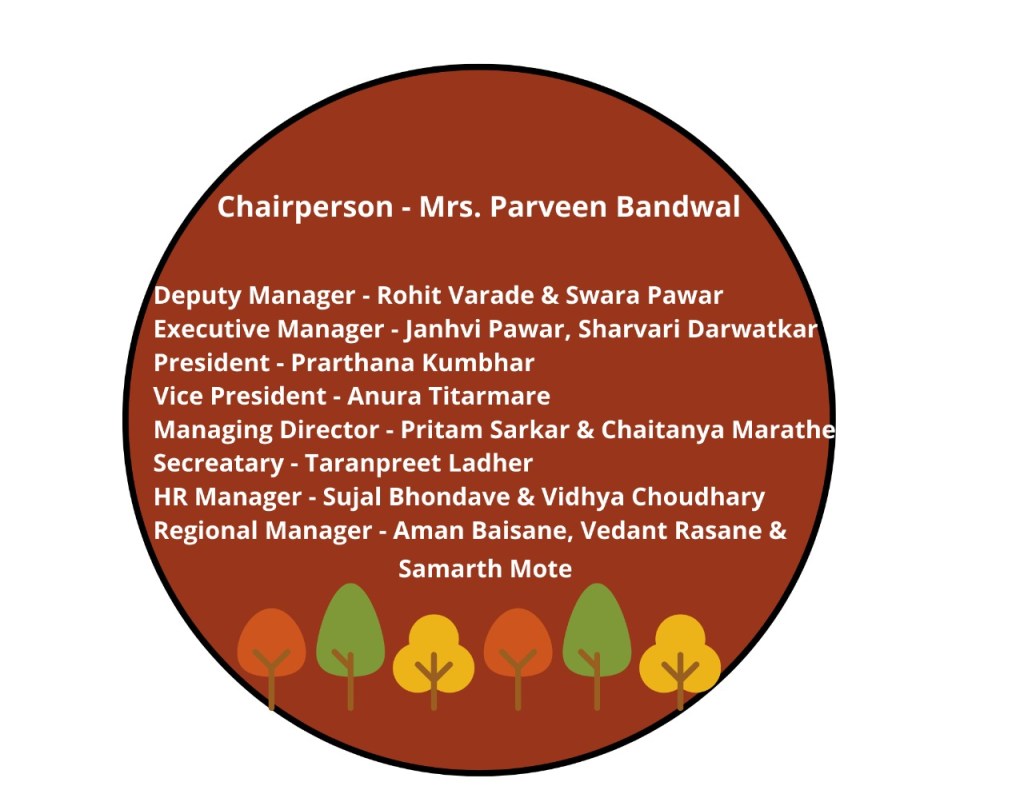
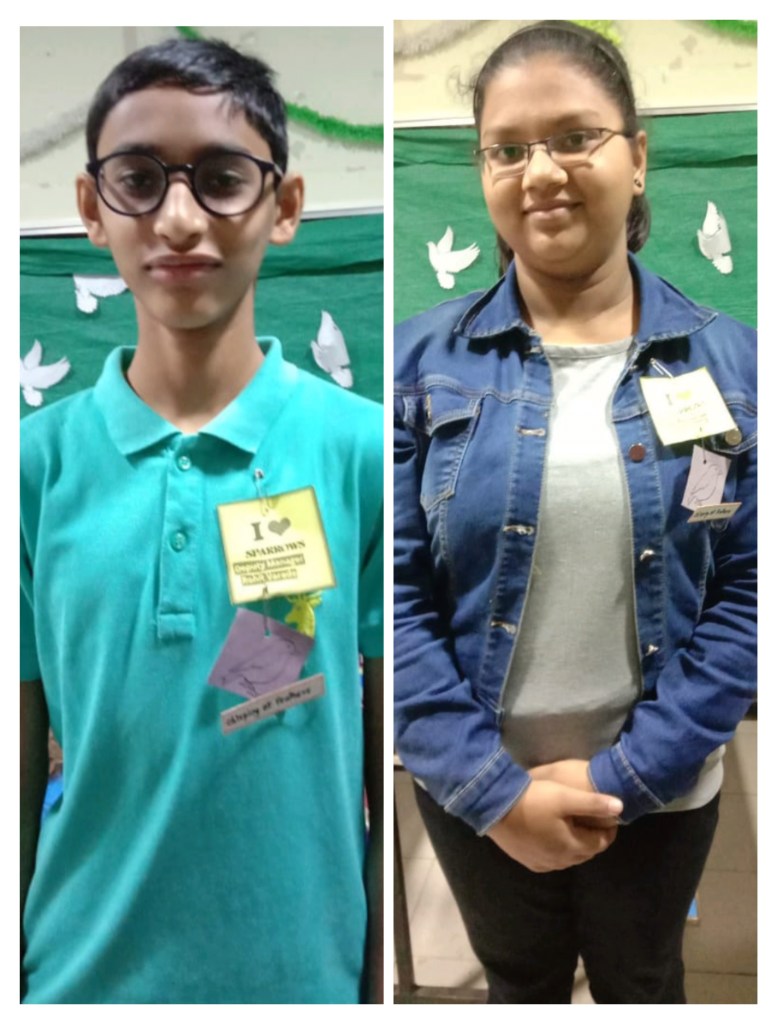
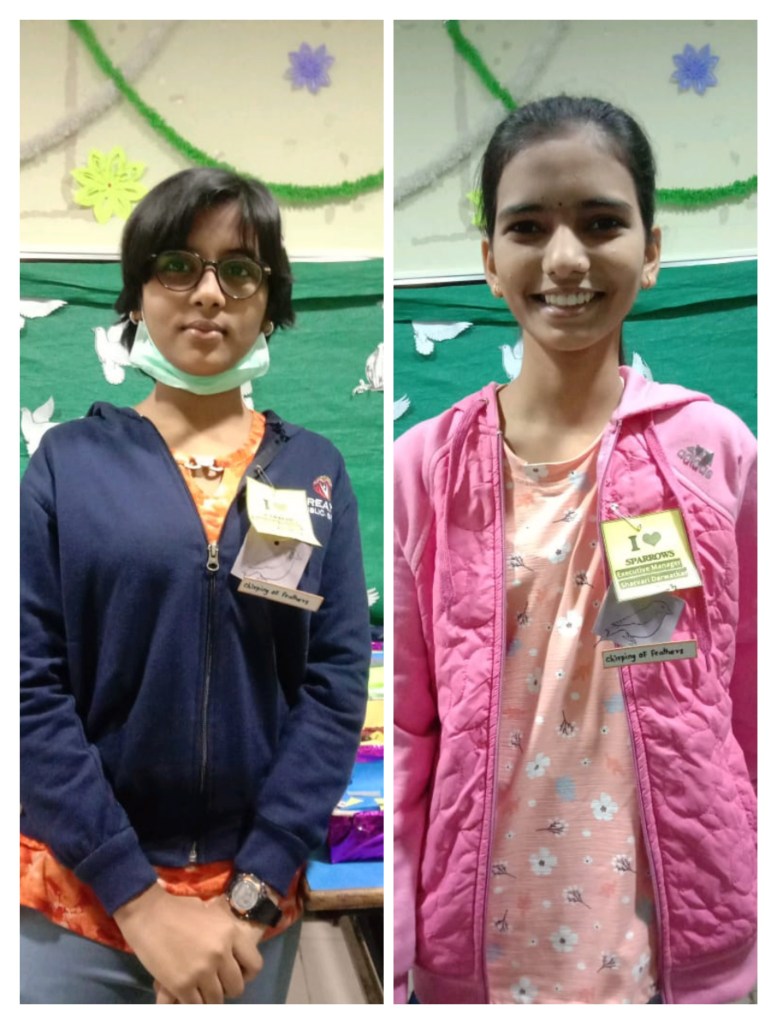
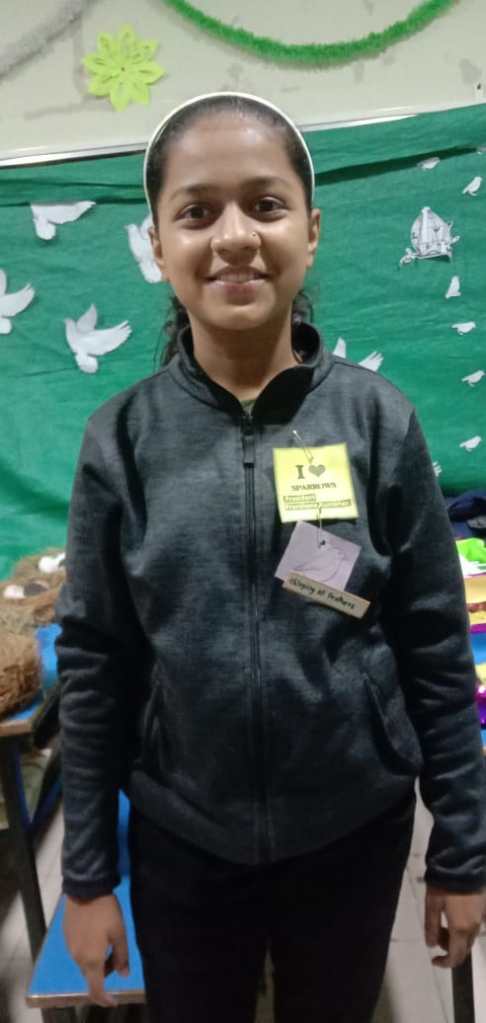
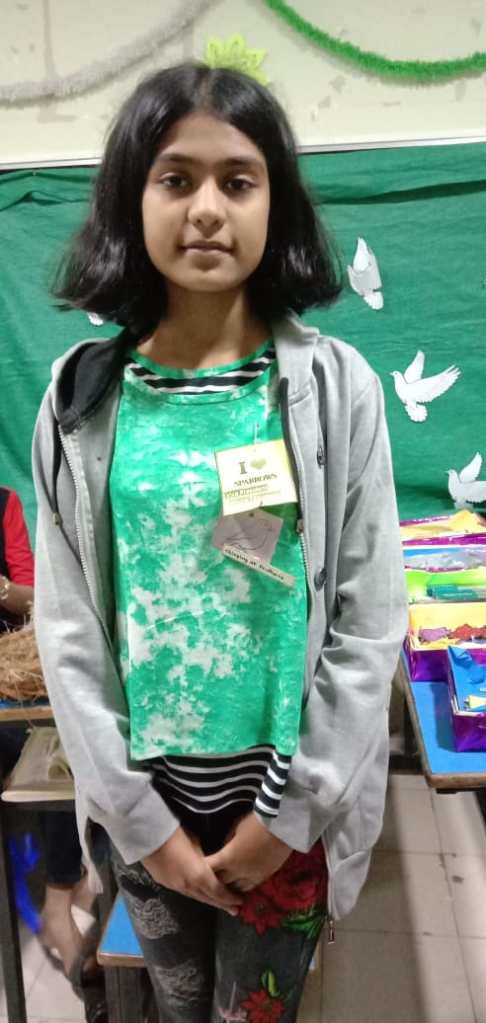
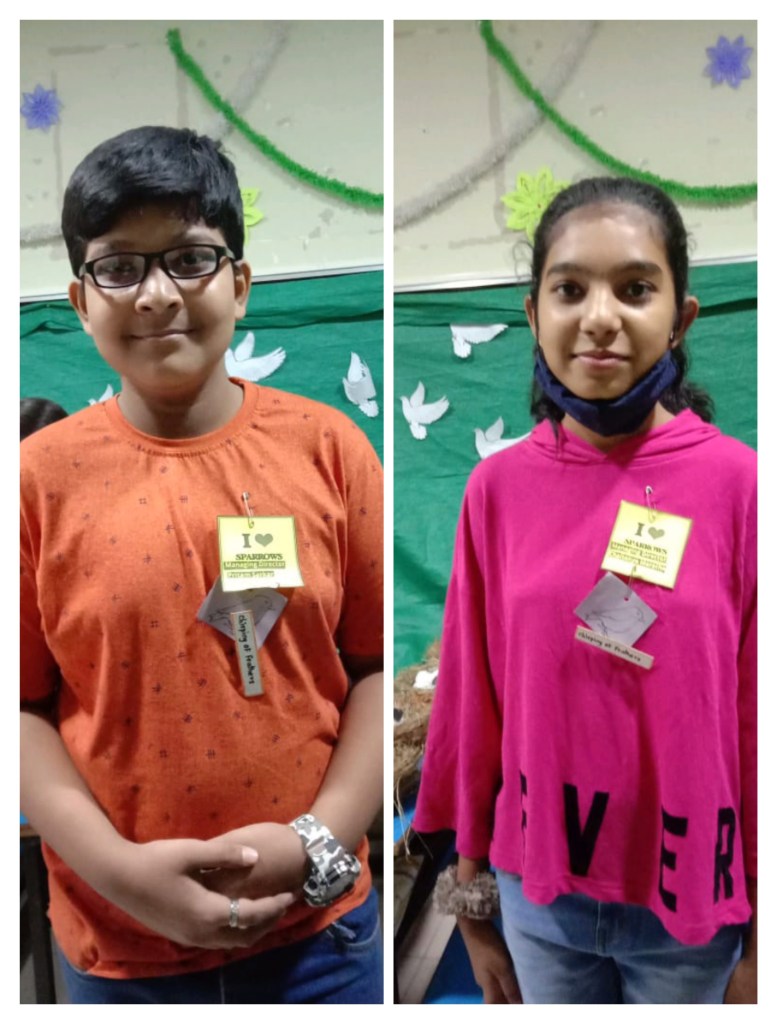
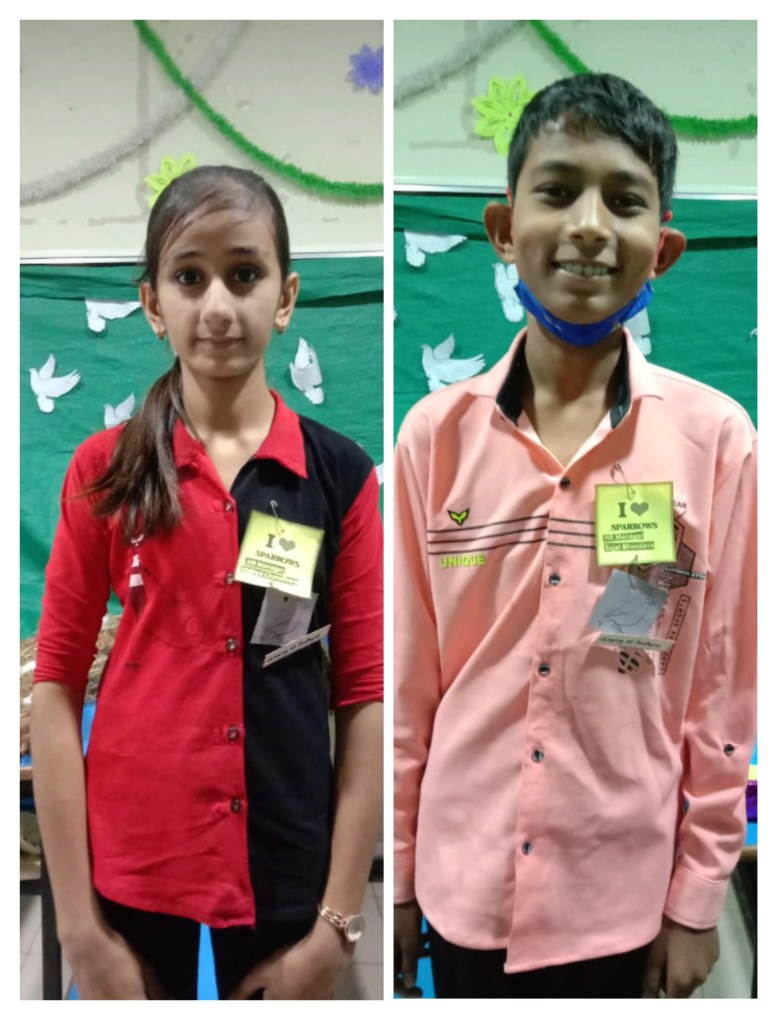
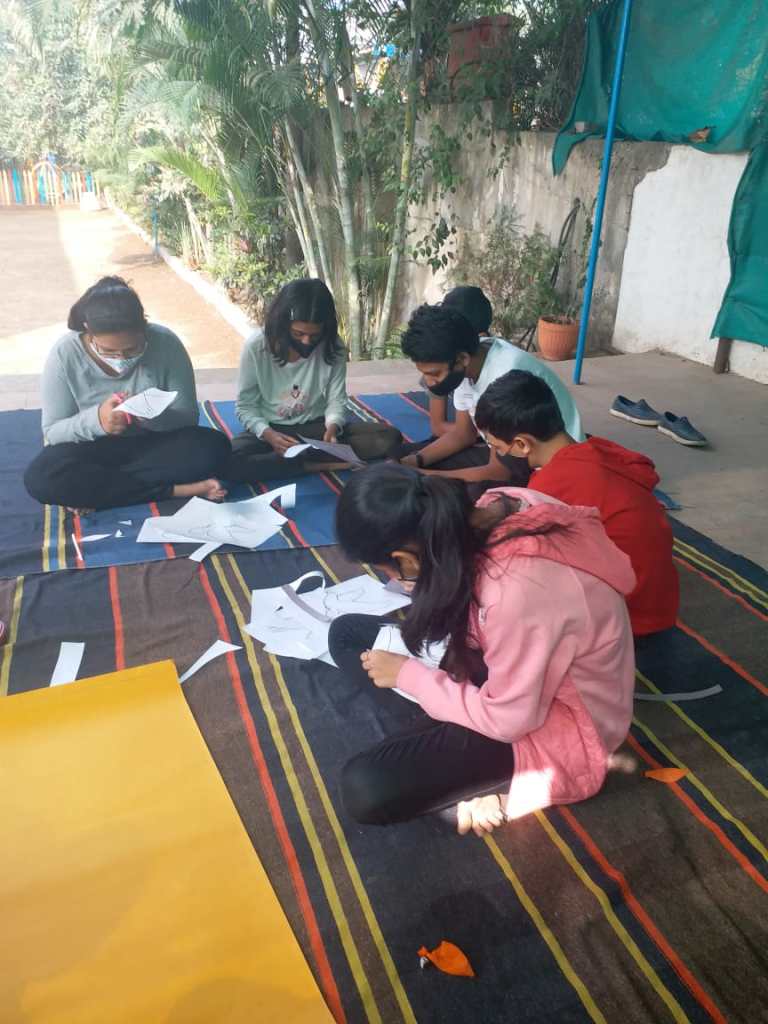
★Photos of all Team members in the NGO are given below:-



★ Information about our NGO:-
Name of our NGO:- Chirping Of Feathers
For Whom this NGO is:- For the Sparrows which we can’t see nowadays and also for the other birds which are in the extinction level.
Organized by:– 8th Standard
School Name:- Creative Public School
About NGO:- This NGO is done to save sparrow from extinction because nowadays, we can’t see sparrows in cities, towns, etc. This is not only for sparrows but also for the other birds which are in the extinction level.
Slogan:- “Small things, Big work.”
Slogan meaning:- If you will do small things now, then in future you can get a opportunity to do a big work.
Follow us on YouTube:- https://youtube.com/channel/UC6Uk_PbdR4tPGe5ic17IC1Q
★We all Team members are doing social work for saving sparrows.★
★The NGO are not-for-profit bodies which means they do not have any commercial interest. And we all Team Members are not doing for ourselves it is for sparrows.★
★It will be helpful for our NGO, if you all will cooperate with us and will help our NGO for saving sparrows.★
★We will do our best to save sparrows from extinction.★
★Preparation of NGO:-
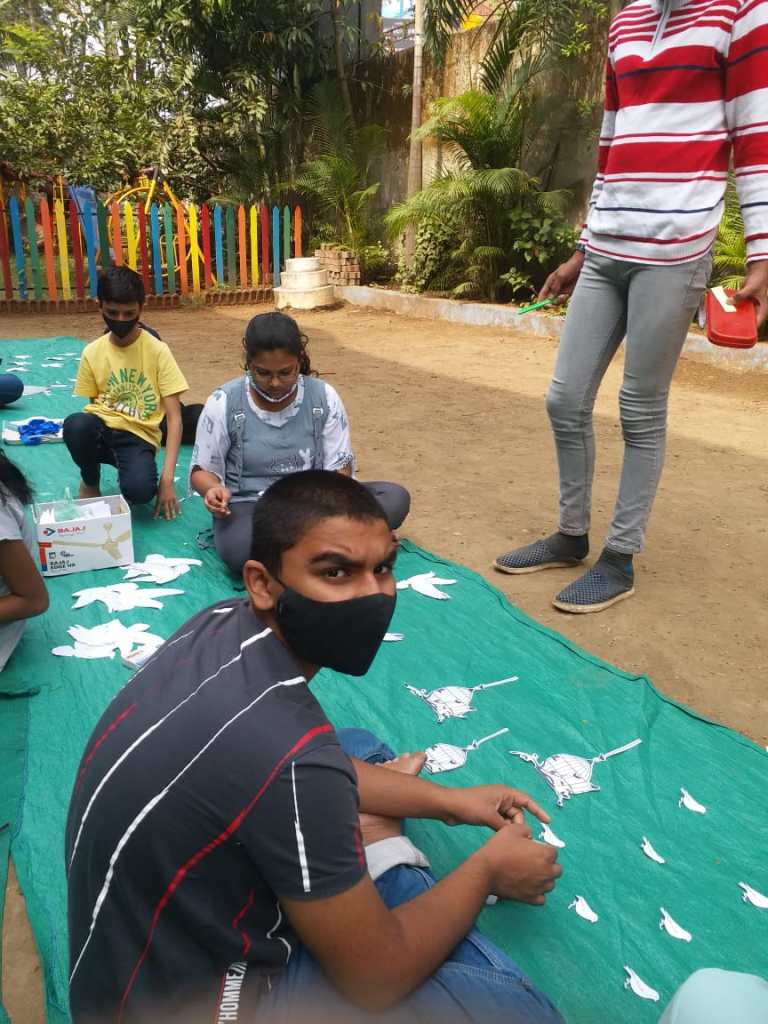
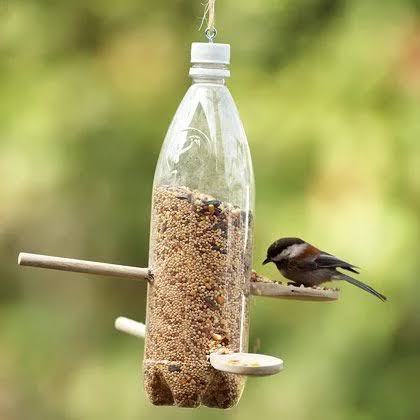

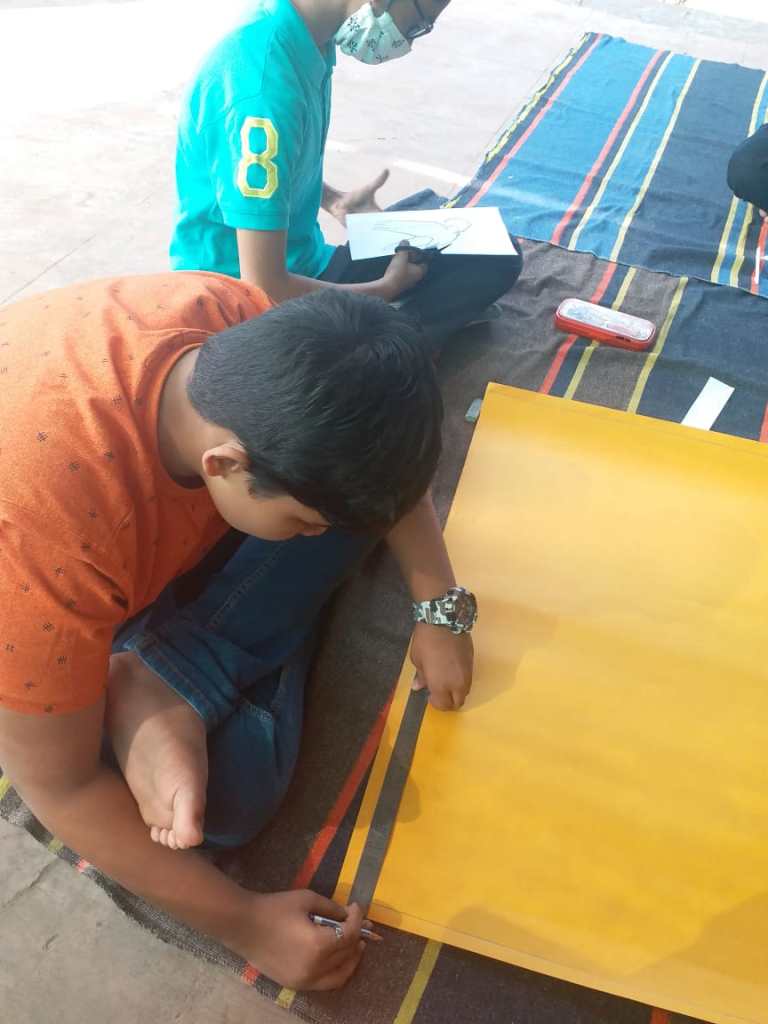
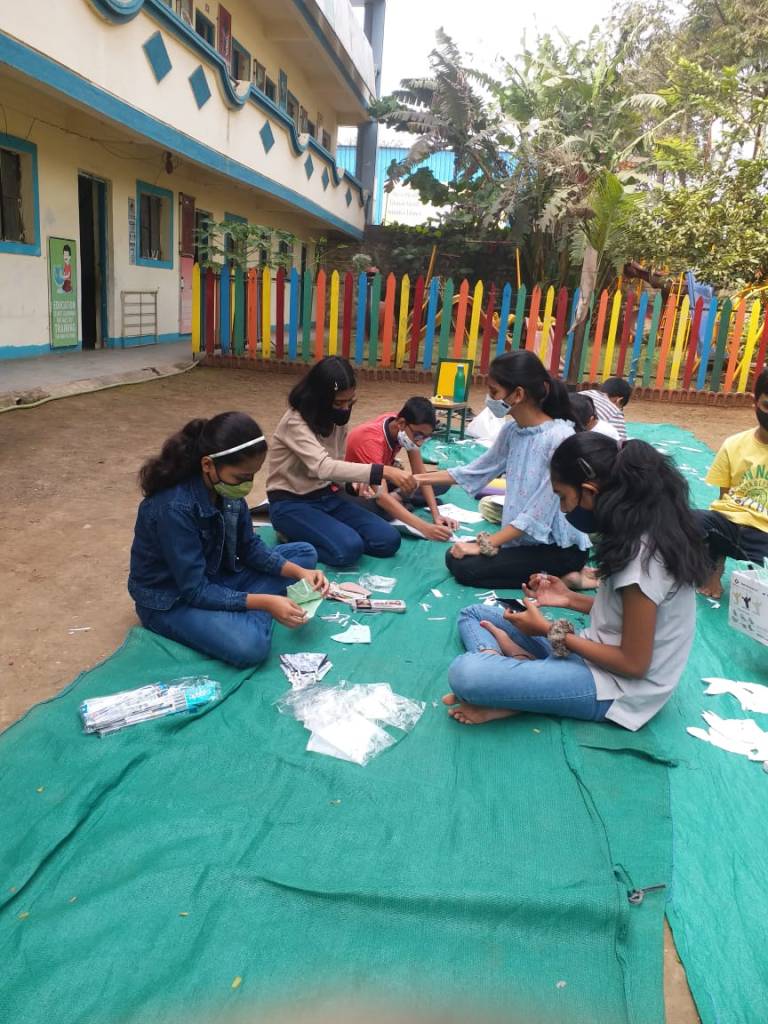
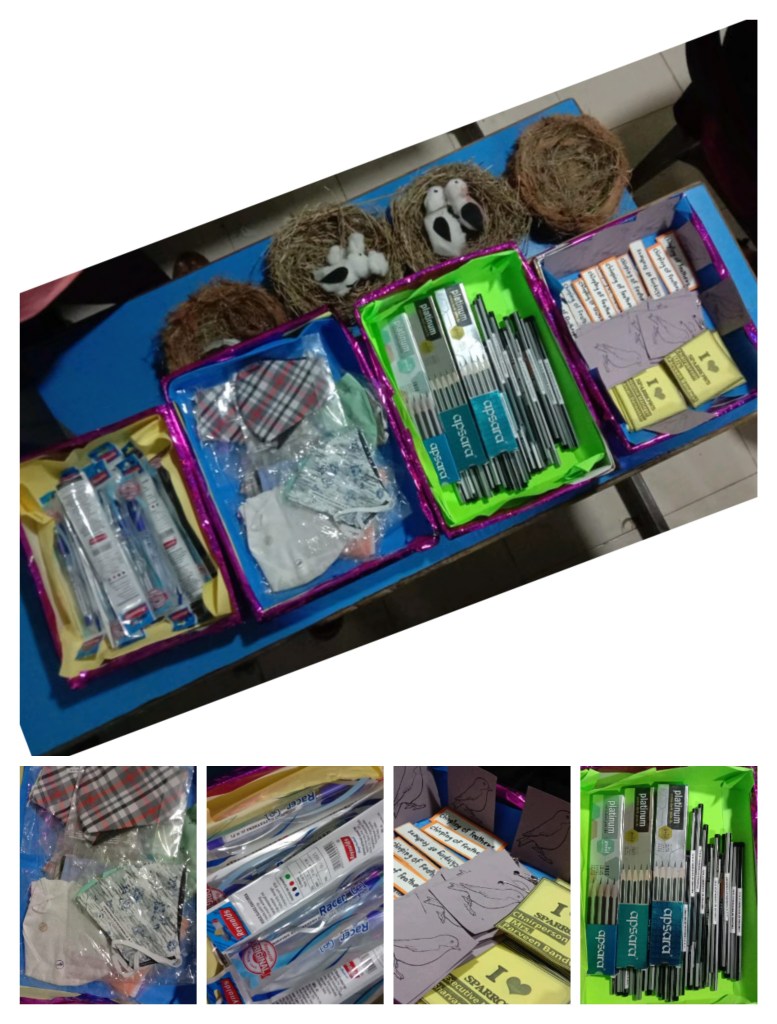
★Things to donate and to sell among the people are given below:-
★Information of Sparrows:-
Sparrow is a species of birds that can be easily recognized because it lives very close to humans. This small bird originates from North Africa, but it has been successfully introduced to North America, Europe, Asia, Australia and New Zealand. Sparrow, unlike many other birds, cannot be found in forests and deserts. It prefers life close to human settlements, including both urban and rural areas. Number of sparrows decreased dramatically in the last couple of years for unknown reason. Three quarters of sparrows disappeared from the London between 1994 and 2000. Due to fast decline in number of sparrows, this bird is listed as threatened (nearly endangered).
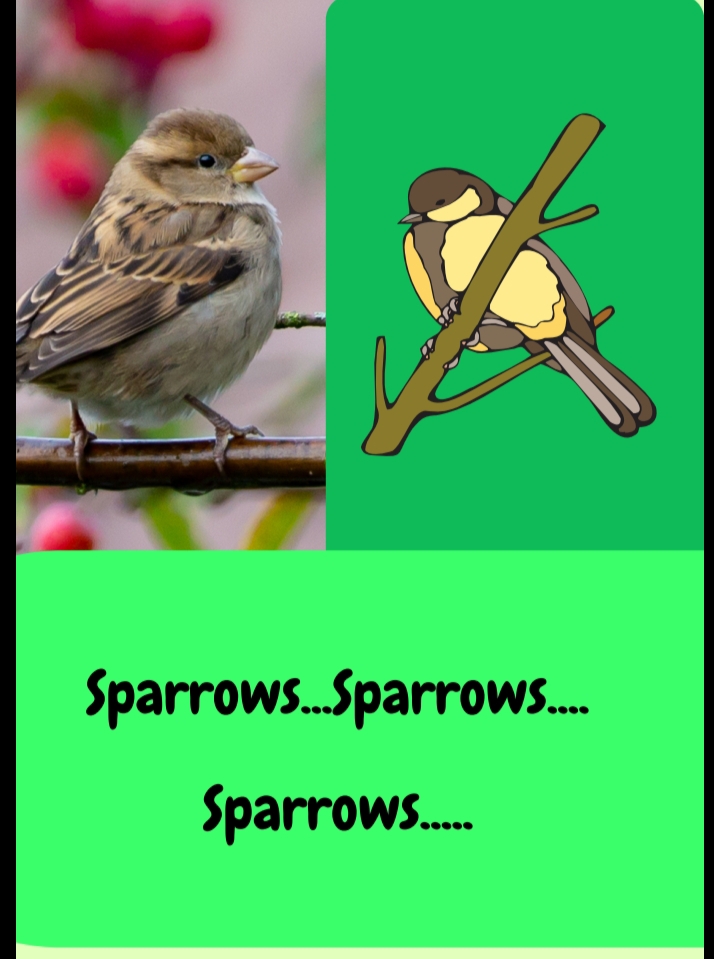
★Introduction:-
The house sparrow (Passer domesticus) is a bird of the sparrow family Passeridae, found in most parts of the world. It is a small bird that has a typical length of 16 cm (6.3 in) and a mass of 24– 39.5 g (0.85–1.39 oz). Females and young birds are coloured pale brown and grey, and males have brighter black, white, and brown markings. One of about 25 species in the genus Passer, the house sparrow is native to most of Europe, the Mediterranean Basin, and a large part of Asia. Its intentional or accidental introductions to many regions, including parts of Australasia, Africa, and the Americas, make it the most widely distributed wild bird.
The house sparrow is strongly associated with human habitation, and can live in urban or rural settings. Though found in widely varied habitats and climates, it typically avoids extensive woodlands, grasslands, and deserts away from human development.
It feeds mostly on the seeds of grains and weeds, but it is an opportunistic eater and commonly eats insects and many other foods. Its predators include domestic cats, hawks, and many other predatory birds and mammals.
Because of its numbers, ubiquity, and
association with human settlements, the house sparrow is culturally prominent. It is extensively, and usually unsuccessfully, persecuted as an agricultural pest. It has also often been kept as a pet, as well as being a food item and a symbol of lust, sexual potency, commoness, and vulgarity.
Though it is widespread and abundant, its
numbers have declined in some areas. The
animal’s conservation status is listed as least concern on the IUCN Red List.
★Local names of the Indian
House Sparrow:-
Goraiya :-. Uttar Pradesh
Ghara chatia :-. Orissa
Chimani :-. Maharashtra
Chirya :-. In Urdu language
Kuruvi :-. Tamil Nadu and Kerala
Pichhuka :-. Andhra Pradesh
Charai pakhi :-. West Bengal
Chiri :-. Punjab
Chaer :-. Jammu and Kashmir
Gubbachachi :-. Karnataka
Chakli :-. Gujarat
★Habitat:-
Eggs of Passer domesticus. The house sparrow lives close to humans, often near human houses in towns or cities. It also lives near farms and makes a nest in the bush or in small tree. It can have two or three sets of eggs and chicks each year.
Nest sites are varied, through cavities are preferred. Nests are more frequently build in the caves and other crevices of houses. Holes in cliffs and banks, or tree hollows, are also used. A sparrow sometimes dig out it’s own nests in Sandy banks or branches. More often it uses the nests of other birds, such sparrows nests in banks and cliffs and old tree nest holes. It often uses deserted nests. Sometimes it takes over active nests by driving away or killing occupants. Tree hollows are more commonly used in North America than in Europe. This puts the sparrows in competition with blue birds and other North American cavity nesters so the native birds population declines.
★Distribution:-
The House Sparrow is an urbanized bird which is found in almost all parts of India. Its population declines in the Northeast as you move from west to east. Although it is found in most parts of Assam, its population is very minimal beyond that and is replaced by the Eurasian Tree Sparrow. The Indian House Sparrow has been seen upto 1200 meters in the East Himalayas and it is found at around similar heights in the Western Himalayas .
The indicate sub species to which our House Sparrow belongs hardly migrates though now for some reason or other, it has spread in the North and South African
continents as well.
★Reproduction:-
The Sparrow is very flexible in making the nests and does it with tinges of arrogance. They can nest in houses and artificial crevices, holes in the walls, buildings and rocks, in the verandah ceiling fan’s inverted cups, cliffs cracks, inlets, and even in the gaps between the window
A/C !!! The Sparrow nest is a very untidy, ugly looking bowl type nest but they make the inside very smooth and fluffy by filling it abundantly with very soft feathers.
The House Sparrow is known to use the
abandoned nests and nesting sites provided they are sure of its safety. Sometime they build nests near another Sparrow’s nest and this leads to many good fights among them, The eggs are white, bluish-white, or greenish-white, spotted with brown or greyish and with lined
markings which are very variable in designs, The sizes of the eggs are up to 2 inches and are incubated by the female. Male feeds the female during the incubation period. The Sparrow has
the shortest incubation period of all the birds, 10 -12 days, and a female can lay upto 4-7 eggs each summer.
★HOUSE SPARROW :-
AMAZING FACTS
The most widespread commonly seen wild bird in the world is probably
the House Sparrow (Passer domesticus) which has been transported all over
the world by European settlers and can now be found on 2/3 of the land
masses of the world including New Zealand, Australia, N. America, India and
of course Europe.
• House Sparrows reportedly lived and bred in the Frickley Colliery
Yorkshire, England coal mine shaft 640 m (2100 ft.) below ground level,
where two, and later three birds were fed by the miners and lived for 3
years.
(In November 1977, a pair nested in the mine and raised 3 young which did
not survive).
• Originally native to Eurasia and North Africa, House Sparrows have
successfully followed man to all of the world’s continents except
Antarctica.
• House Sparrows rarely occur very far from humans and our structures.
• To move around on the ground, House Sparrows usually hop instead of
walk. Walking is rarely observed and then only by older individuals.
• The House Sparrow can swim when it needs to for survival. They have even
been observed swimming underwater when threatened.
★Thank you★

 Chirping Of Feather
Nice I am PRITAM SARKAR the managing director and I am proud of my ngo and my rule I will give my best.
Thanks
LikeLike
Hi
LikeLike
Hi
LikeLike
Working for the extinct birds is very necessary. Kudos my lovely kids .May lord bless you to do all such beautiful things and may you continue to do ..so …
LikeLike
Hey everyone I am Deputy Manager of our NGO…I request to our viewers please log in into our website…. Please support us for this Social Work..
Thank you
LikeLike